
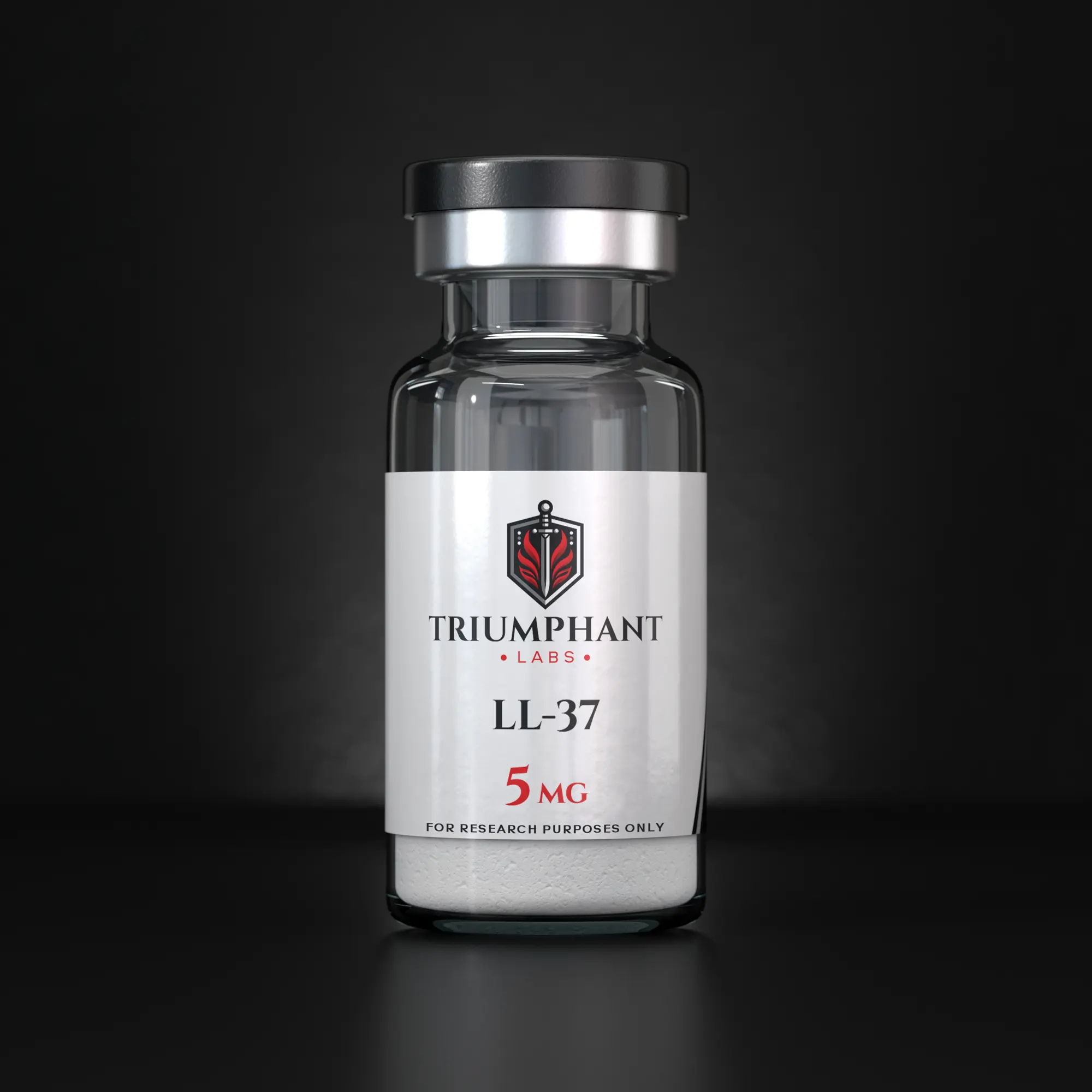
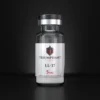
LL-37 5mg
$62.00
LL-37 is a naturally occurring human cathelicidin antimicrobial peptide with a broad and well documented research profile spanning innate immunity, antimicrobial defense, wound healing, and immune modulation. This 5mg research grade formulation has attracted significant scientific interest among researchers exploring host defense biology, inflammatory signaling, tissue repair, and the emerging role of endogenous antimicrobial peptides in human health and immune function.
LL-37 is the only known human cathelicidin, a member of the cathelicidin family of host defense peptides that forms a critical component of the innate immune system. Derived from the C-terminal fragment of the precursor protein hCAP-18, LL-37 is expressed in a wide range of cell types including neutrophils, epithelial cells, keratinocytes, and monocytes, reflecting its broad biological relevance across multiple tissue systems. Since its identification and characterization in the 1990s, LL-37 has accumulated one of the most diverse and scientifically rich research profiles of any endogenous antimicrobial peptide, with investigations spanning microbiology, immunology, dermatology, wound healing, and cancer biology.
Research Interests and Potential Applications
LL-37 has developed an exceptionally broad research profile that extends well beyond its original characterization as an antimicrobial compound. Scientific investigation has explored its potential relevance across a wide range of biological areas including:
Antimicrobial activity, the foundational area of LL-37 research where its ability to disrupt bacterial cell membranes and demonstrate activity against a broad spectrum of microorganisms including bacteria, fungi, and viruses has been extensively characterized in preclinical models. Innate immune modulation, with studies examining how LL-37 influences the activity of immune cells including macrophages, neutrophils, and dendritic cells, and its role in bridging innate and adaptive immune responses.
Wound healing and tissue repair, an area of active and well-referenced investigation where LL-37 has been studied for its potential to promote keratinocyte migration, angiogenesis, and overall wound closure dynamics. Anti-biofilm research, where LL-37’s proposed ability to disrupt and prevent bacterial biofilm formation has attracted considerable interest given the relevance of biofilms to persistent infections in preclinical models. Inflammatory signaling modulation, with research exploring LL-37’s complex and context-dependent effects on cytokine production and inflammatory pathway regulation across different tissue environments.
Mechanism and Commonly Discussed Function
LL-37 operates through multiple distinct mechanisms that together account for its broad biological activity profile. Its primary antimicrobial mechanism involves direct interaction with and disruption of microbial cell membranes. As a cationic amphipathic peptide, LL-37 carries a net positive charge that facilitates electrostatic attraction to the negatively charged membranes of bacteria and other microorganisms. Once bound, it is proposed to insert into and destabilize the membrane architecture, leading to loss of membrane integrity and microbial cell death.
This membrane-targeting mechanism is considered relatively resistant to the development of conventional resistance mechanisms, making it a subject of significant interest in antimicrobial research.
Beyond its direct antimicrobial activity, LL-37 interacts with a range of host cell receptors and signaling pathways. Research has identified its interactions with formyl peptide receptor-like 1, purinergic receptors, and toll-like receptors, through which it is proposed to modulate immune cell recruitment, cytokine secretion, and inflammatory signaling.
Its ability to both stimulate and resolve inflammatory responses in a context-dependent manner reflects the sophisticated and multifunctional nature of its biological role as a host defense molecule.
In wound healing research, LL-37 has been studied for its proposed ability to stimulate keratinocyte proliferation and migration, promote angiogenesis through interactions with vascular endothelial growth factor signaling, and modulate the local inflammatory environment in ways that are understood to support rather than impede the repair process.
Why the Research and Wellness Community Is Interested
The global research focus on antimicrobial resistance and the search for novel host defense mechanisms has elevated interest in endogenous antimicrobial peptides like LL-37 to an unprecedented level. As conventional antimicrobial research faces increasing challenges, the innate immune mechanisms that the human body has evolved over millions of years have become a compelling area of scientific investigation. LL-37 sits at the center of this conversation as the most thoroughly characterized human cathelicidin, offering researchers a well-referenced and biologically relevant model for studying endogenous antimicrobial and immune defense mechanisms.
Within dermatology and wound healing research communities, LL-37’s documented roles in keratinocyte biology and tissue repair have made it a consistently valuable research tool. Advanced wellness and integrative biology researchers have also taken interest in its broad immune modulating properties and its natural presence as a component of human innate defense systems.
Product Quality and Formulation
This LL-37 is produced to research-grade standards with verified peptide sequence fidelity, rigorous purity assessment, and confirmed potency per 5mg vial. The structural integrity of LL-37 is particularly important given the relationship between its amphipathic helical conformation and its biological activity, and synthesis quality is held to the highest standards throughout production to ensure researchers receive a compound with consistent and reliable performance characteristics.
LL-37 remains one of the most scientifically significant and broadly relevant endogenous antimicrobial peptides available for research today. For scientists and advanced wellness professionals exploring innate immunity, host defense biology, antimicrobial mechanisms, wound healing, and the broader landscape of cathelicidin research, this formulation provides a premium and dependable foundation for serious and meaningful scientific investigation.
Be the first to review “LL-37 5mg”
Related products
Reviews
There are no reviews yet.