
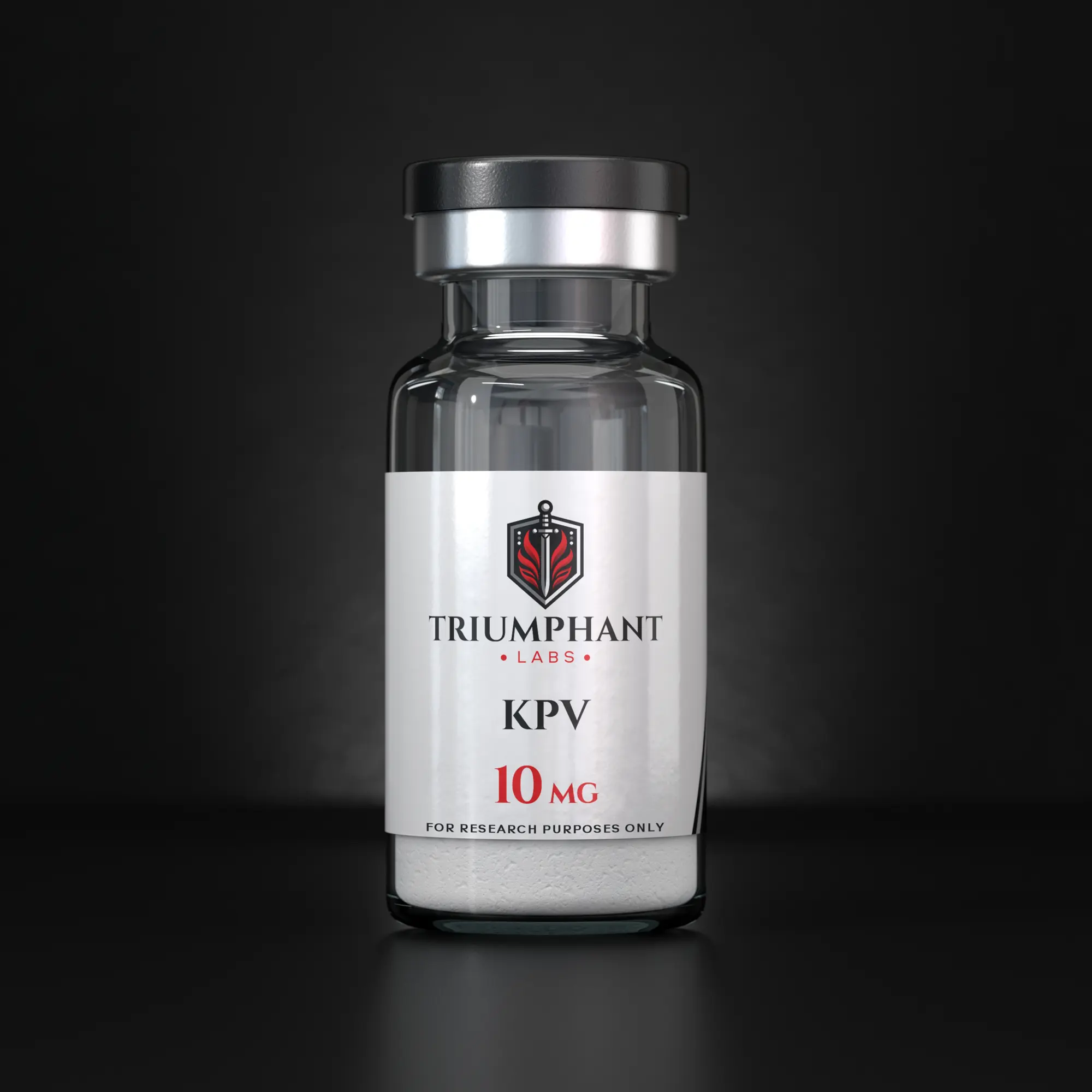
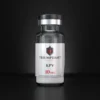
KPV 10mg
$41.00
KPV is a naturally derived tripeptide with a compelling research profile centered on anti-inflammatory signaling, gut health, and immune modulation. This 10mg research-grade formulation has attracted growing scientific interest among researchers exploring inflammatory pathway regulation, intestinal barrier biology, skin inflammation, and the broader landscape of endogenous peptide-mediated immune signaling.
KPV is a tripeptide composed of the amino acids lysine, proline, and valine, derived from the C-terminal sequence of alpha-melanocyte stimulating hormone, commonly known as alpha-MSH. While alpha-MSH itself has a well-established research profile across neuroendocrine and pigmentation biology, KPV has emerged as a subject of focused scientific interest in its own right, particularly in the context of anti-inflammatory signaling and gastrointestinal health.
Its small molecular size, natural derivation, and proposed ability to engage melanocortin receptors and intracellular inflammatory pathways have made it a uniquely accessible and versatile research tool for scientists investigating immune regulation and tissue protection.
Research Interests and Potential Applications
KPV has developed a focused and genuinely compelling research profile across several interconnected areas of inflammatory biology and tissue health. Scientific investigation has explored its potential relevance in relation to:
Anti-inflammatory signaling, the foundational area of KPV research where its proposed ability to modulate key inflammatory pathways including NF-kB has been examined in preclinical models across multiple tissue types. Gastrointestinal health and intestinal barrier function, an area of particularly active investigation where KPV has been studied for its potential protective and reparative effects on the gut epithelium and mucosal lining. Skin inflammation and dermal biology, with research exploring how KPV’s anti-inflammatory properties may interact with inflammatory skin conditions and dermal immune responses at the cellular level.
Immune modulation, where studies have examined KPV’s potential influence on cytokine production and the broader inflammatory signaling environment in preclinical tissue models. Wound healing and tissue repair, areas where reduction of local inflammation is understood to play a meaningful role in supporting the progression of normal repair processes.
Mechanism and Commonly Discussed Function
KPV is understood to exert its proposed biological effects through multiple complementary mechanisms, which contributes to its broad relevance across different tissue types and inflammatory contexts. One of its primary proposed mechanisms involves interaction with melanocortin receptors, particularly MC1R and MC3R, which are expressed in immune cells, intestinal epithelial cells, and skin tissue. Activation of these receptors is associated with downstream suppression of pro-inflammatory signaling cascades, including the NF-kB pathway, one of the most central regulators of inflammatory gene expression in human biology.
Research has also suggested that KPV may be capable of directly entering cells and interacting with intracellular inflammatory signaling components, a property that would distinguish it from many larger peptides that rely exclusively on surface receptor interactions. This proposed intracellular activity has added a layer of scientific interest to KPV’s mechanism profile and prompted further investigation into how its anti-inflammatory effects are mediated at the molecular level.
Its small tripeptide structure is considered an advantage in research contexts involving gastrointestinal biology, as it is proposed to offer relative stability in the gut environment and potential for direct interaction with intestinal epithelial and immune cells within the mucosal layer.
Why the Research and Wellness Community Is Interested
Inflammation sits at the root of an enormous range of biological processes and health-related research questions, making compounds with well-characterized anti-inflammatory properties consistently valuable across multiple fields of scientific inquiry. KPV’s natural derivation from an endogenous peptide sequence, combined with its proposed multi-pathway anti-inflammatory activity, has positioned it as a particularly interesting subject for researchers working in immunology, gastroenterology, dermatology, and integrative biology.
Within advanced wellness communities, growing awareness of the role of chronic low-grade inflammation and intestinal barrier dysfunction in systemic health has amplified interest in peptides like KPV that may offer targeted support for these biological systems. Its natural origin, small size, and focused mechanism have made it an appealing subject for researchers and wellness professionals exploring peptide-based approaches to inflammatory regulation and gut health.
Product Quality and Formulation
This KPV is produced to research-grade standards with verified tripeptide sequence accuracy, rigorous purity assessment, and consistent potency per 10mg vial. The small molecular size and natural derivation of KPV make synthesis precision and purity verification especially important for ensuring reliable and reproducible research outcomes, and every stage of production and quality control is conducted to the standards expected by serious investigators in inflammatory biology and peptide research.
KPV remains one of the most scientifically interesting and broadly relevant naturally derived tripeptides available for research today. For scientists and advanced wellness professionals exploring anti-inflammatory signaling, gastrointestinal biology, immune modulation, and the broader landscape of endogenous peptide-mediated tissue protection, this formulation provides a premium and dependable foundation for serious and meaningful scientific investigation.
Be the first to review “KPV 10mg”
Related products
Reviews
There are no reviews yet.