
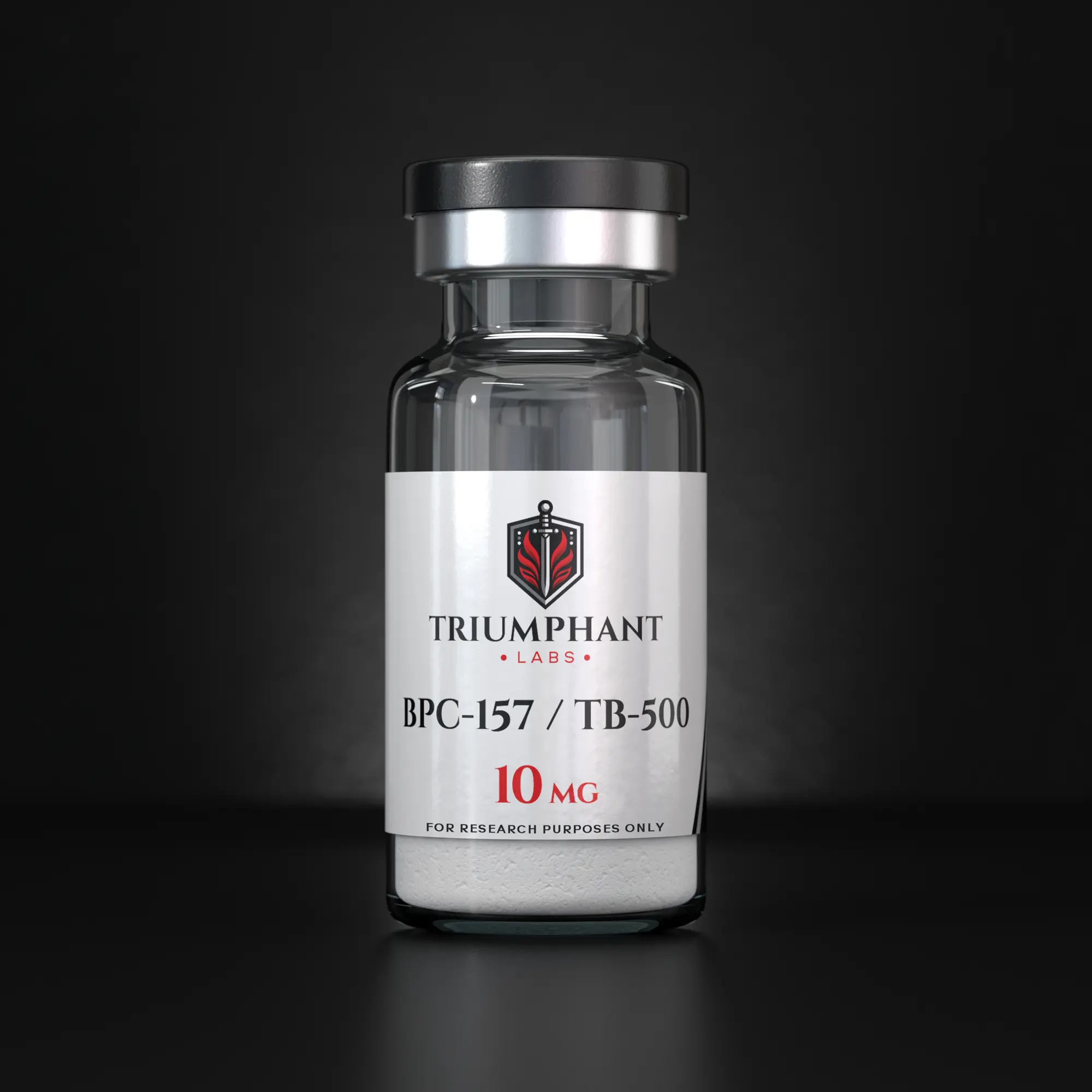
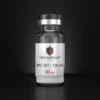
BPC-157 + TB-500 Blend 10mg
$62.00
The BPC-157 + TB-500 Blend combines two of the most researched regenerative peptides into a single convenient formulation. This 10mg blend is designed for researchers exploring synergistic recovery, tissue repair, and protective biological processes. Together, these compounds represent a growing area of interest in advanced peptide science and regenerative wellness research.
The BPC-157 and TB-500 blend brings together two of the most studied peptides in regenerative biology into one research-grade formulation. BPC-157, a synthetic pentadecapeptide derived from a gastric protein sequence, and TB-500, a synthetic analogue of the naturally occurring protein Thymosin Beta-4, have each built strong individual research profiles. When combined, they represent a compelling area of study for researchers interested in how complementary peptide mechanisms may interact to support tissue repair, recovery, and cellular protection.
Research Interests and Potential Applications
This blend has drawn significant attention in peptide research circles due to the distinct yet potentially complementary mechanisms of its two components. Preclinical and observational research has explored this combination in relation to:
Accelerated musculoskeletal repair, particularly involving tendons, ligaments, and muscle fibers. Systemic recovery support following physical stress or tissue injury. Gastrointestinal protection and gut lining integrity, an area where BPC-157 has shown particular preclinical relevance. Cellular migration and tissue remodeling, processes closely associated with TB-500 and its actin-regulating properties. Neurological and vascular support, with both peptides showing early interest in these areas independently.
Mechanism and Commonly Discussed Function
BPC-157 is widely discussed for its proposed influence on the nitric oxide signaling pathway and its potential role in promoting angiogenesis, the formation of new blood vessels that support tissue nourishment and repair. TB-500, on the other hand, is known for its association with Thymosin Beta-4, a protein involved in actin regulation and cell migration. Actin is a fundamental structural protein in the body, and TB-500’s proposed ability to influence its dynamics is thought to support the movement of cells to sites where repair is needed.
The research interest in blending these two peptides stems from the idea that their mechanisms may work along different but reinforcing pathways. Where BPC-157 may support vascular and gut-related repair processes, TB-500 may contribute through cell mobility and structural tissue remodeling, creating a broader regenerative profile than either compound alone.
Why the Research and Wellness Community Is Interested
The BPC-157 and TB-500 combination has become one of the most discussed peptide blends in both research settings and advanced wellness communities. Athletes, biohackers, and longevity-focused individuals have taken a keen interest in this pairing as the conversation around peptide stacking and synergistic biology continues to evolve. Researchers studying recovery biology, inflammation, and tissue homeostasis find this blend particularly useful as a model for exploring how peptide interactions influence outcomes across multiple physiological systems.
The growing body of preclinical data supporting both compounds individually has fueled curiosity about their combined potential, making this blend a natural focus for those at the forefront of regenerative peptide research.
Product Quality and Formulation
This 10mg blend is produced to strict research-grade standards, with verified peptide sequencing, purity, and potency for both BPC-157 and TB-500. Each vial is formulated to provide a consistent and reliable compound suitable for precise research applications. Quality at every stage of synthesis and testing ensures that researchers can work with confidence in the integrity of their source material.
The BPC-157 and TB-500 blend stands as one of the most sought-after combinations in modern peptide research. For researchers and advanced wellness professionals looking to explore the frontier of regenerative biology, this dual-peptide formulation offers a high-quality, well-referenced starting point for serious scientific inquiry.
Be the first to review “BPC-157 + TB-500 Blend 10mg”
Related products
Reviews
There are no reviews yet.