
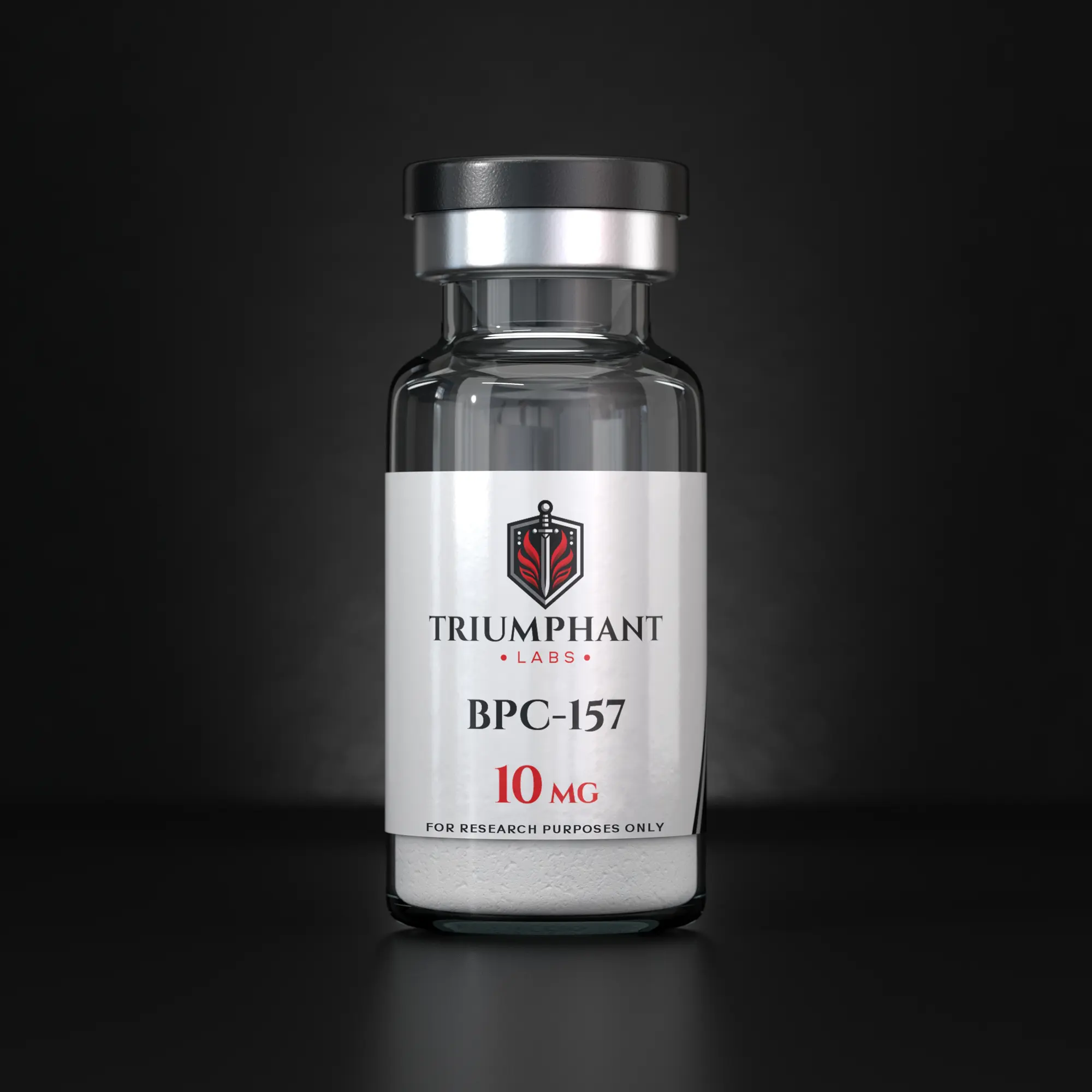
BPC-157 10mg
$49.00
BPC-157 is a synthetic pentadecapeptide derived from a naturally occurring protein found in gastric juice. Widely studied in preclinical research for its potential regenerative and protective properties, it has become a subject of significant interest among researchers and the advanced wellness community exploring tissue repair, gut health, and recovery support.
BPC-157, short for Body Protection Compound 157, is a synthetic peptide consisting of 15 amino acids. It is derived from a protein sequence naturally present in human gastric juice, and its stability and bioavailability have made it a compelling subject in peptide research over the past few decades. As interest in regenerative biology and performance recovery continues to grow, BPC-157 has earned a prominent place in both laboratory research and the broader wellness conversation.
Research Interests and Potential Applications
BPC-157 is one of the most widely studied peptides in the context of tissue repair and regenerative support. Preclinical research has explored its potential relevance across several areas including:
Musculoskeletal recovery, with studies examining its influence on tendon, ligament, and muscle tissue healing. Gastrointestinal health, where it has been investigated for its potential protective effects on the gut lining. Neurological function, with early research suggesting possible support for nerve repair and brain health. Inflammatory response modulation, a property that researchers believe may underpin many of its observed effects in animal models.
Mechanism and Commonly Discussed Function
One of the reasons BPC-157 attracts consistent research attention is its proposed interaction with the nitric oxide system and its apparent influence on angiogenesis, the process by which new blood vessels form. Improved vascularization is thought to play a role in how tissues receive the nutrients and oxygen needed for repair. Researchers have also noted its potential interaction with growth hormone receptors, which may contribute to its regenerative profile in preclinical settings.
Why the Research and Wellness Community Is Interested
The peptide space has expanded significantly as researchers and health-focused individuals look beyond conventional approaches to recovery and wellbeing. BPC-157 sits at an interesting intersection of gut biology and systemic repair, which makes it relevant to a diverse range of research questions. Its relative stability compared to other peptides, combined with a well-documented preclinical profile, has made it a go-to compound for scientists studying cellular protection and tissue homeostasis. Wellness communities have taken notice as well, particularly among those exploring biohacking, athletic recovery, and longevity protocols.
Product Quality and Formulation
This BPC-157 is produced to research-grade standards, with attention to purity, accurate peptide sequencing, and consistent potency per vial. Each 10mg unit is formulated to support precise and reproducible research applications. Quality assurance at the synthesis and testing stage is prioritized to ensure that researchers receive a reliable compound suitable for their work.
BPC-157 continues to be one of the most referenced peptides in regenerative and protective biology research. Whether you are a researcher exploring its preclinical potential or a wellness professional building your understanding of advanced peptide compounds, this product offers a high-quality foundation for serious inquiry
Be the first to review “BPC-157 10mg”
Related products
Reviews
There are no reviews yet.