
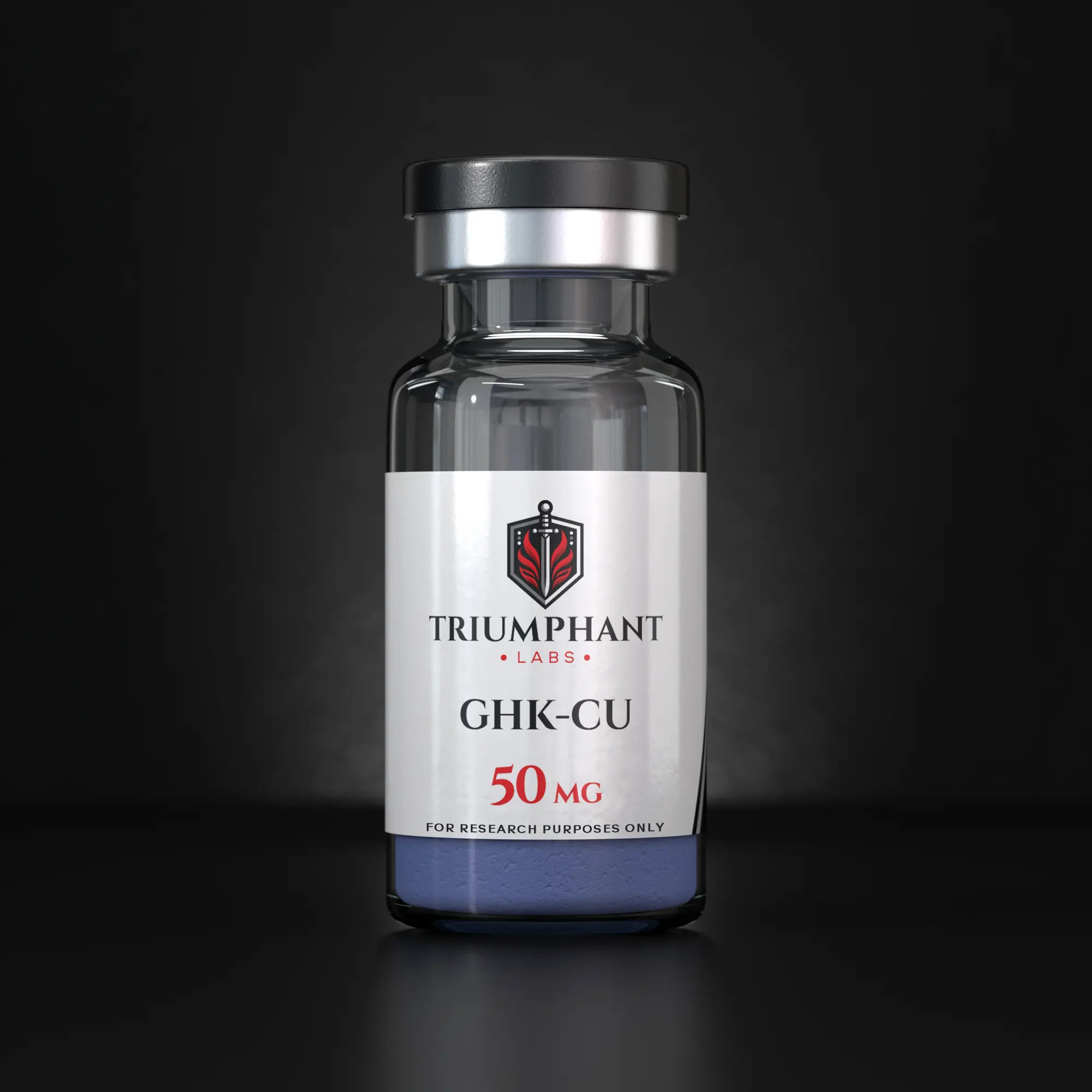
GHK-CU
$33.00
GHK-Cu is a naturally occurring copper peptide complex with a well-established and remarkably broad research profile spanning skin biology, tissue repair, and cellular regeneration. This research-grade formulation has become a subject of sustained scientific interest among researchers exploring wound healing, collagen synthesis, antioxidant activity, and the molecular mechanisms underlying skin health and biological aging.
GHK-Cu, or glycyl-L-histidyl-L-lysine copper complex, is a naturally occurring tripeptide bound to a copper ion that was first identified in human plasma in the early 1970s. Since its discovery, it has accumulated one of the most diverse and well-documented research profiles of any naturally occurring peptide, with studies spanning dermatology, wound healing, tissue regeneration, antioxidant biology, and gene expression modulation. Its natural presence in human blood, saliva, and urine, combined with observed declines in plasma concentrations with age, has added a compelling dimension to its relevance in longevity and skin aging research.
Research Interests and Potential Applications
GHK-Cu has been investigated across an unusually wide range of biological contexts, reflecting the breadth of its proposed activity at the cellular and molecular level. Research has explored its potential relevance in areas including:
Skin biology and dermal repair, the most extensively studied area of GHK-Cu research, where investigations have focused on its influence on collagen and elastin production, skin thickness, and structural integrity. Wound healing and tissue regeneration, with preclinical studies examining its potential to accelerate repair processes in skin, connective tissue, and other biological structures. Antioxidant and anti-inflammatory activity, where GHK-Cu has been studied for its proposed ability to reduce oxidative stress markers and modulate inflammatory signaling at the cellular level. Gene expression regulation, a particularly compelling area of research in which studies have suggested GHK-Cu may influence the activity of a large number of human genes, including those associated with tissue remodeling and cellular repair. Hair follicle biology, with research exploring its potential influence on follicle size, hair density, and scalp tissue health.
Mechanism and Commonly Discussed Function
The biological activity of GHK-Cu is understood to stem from multiple interacting mechanisms, which is one of the reasons its research profile spans such a broad range of applications. The copper ion component plays a central role, as copper is an essential cofactor for numerous enzymatic processes involved in collagen crosslinking, antioxidant defense, and tissue repair. The tripeptide carrier is proposed to facilitate the delivery and bioavailability of copper to tissues where these processes are most active.
At the cellular level, GHK-Cu has been studied for its proposed ability to stimulate fibroblast activity, the cells primarily responsible for producing collagen, elastin, and other structural proteins that maintain skin architecture and tissue integrity. Research has also pointed to its potential influence on matrix metalloproteinases, enzymes involved in the remodeling and turnover of extracellular matrix components. The combination of these proposed actions has led researchers to characterize GHK-Cu as a broad biological signal that promotes tissue repair and renewal across multiple systems simultaneously.
Why the Research and Wellness Community Is Interested
GHK-Cu occupies a rare position in peptide research as a naturally occurring compound with both a long scientific history and a genuinely expanding contemporary research profile. Its association with declining plasma levels in aging populations has made it particularly relevant to longevity researchers studying the relationship between endogenous peptide activity and biological aging. At the same time, its well-documented influence on skin biology has made it a cornerstone ingredient in advanced dermatology and cosmetic science research.
The breadth of its proposed gene expression effects has also attracted attention from systems biology researchers interested in compounds that appear to influence multiple biological pathways simultaneously. This combination of established research history, natural origin, and expanding scientific relevance has made GHK-Cu one of the most consistently cited and sought-after peptides in both academic and advanced wellness research contexts.
Product Quality and Formulation
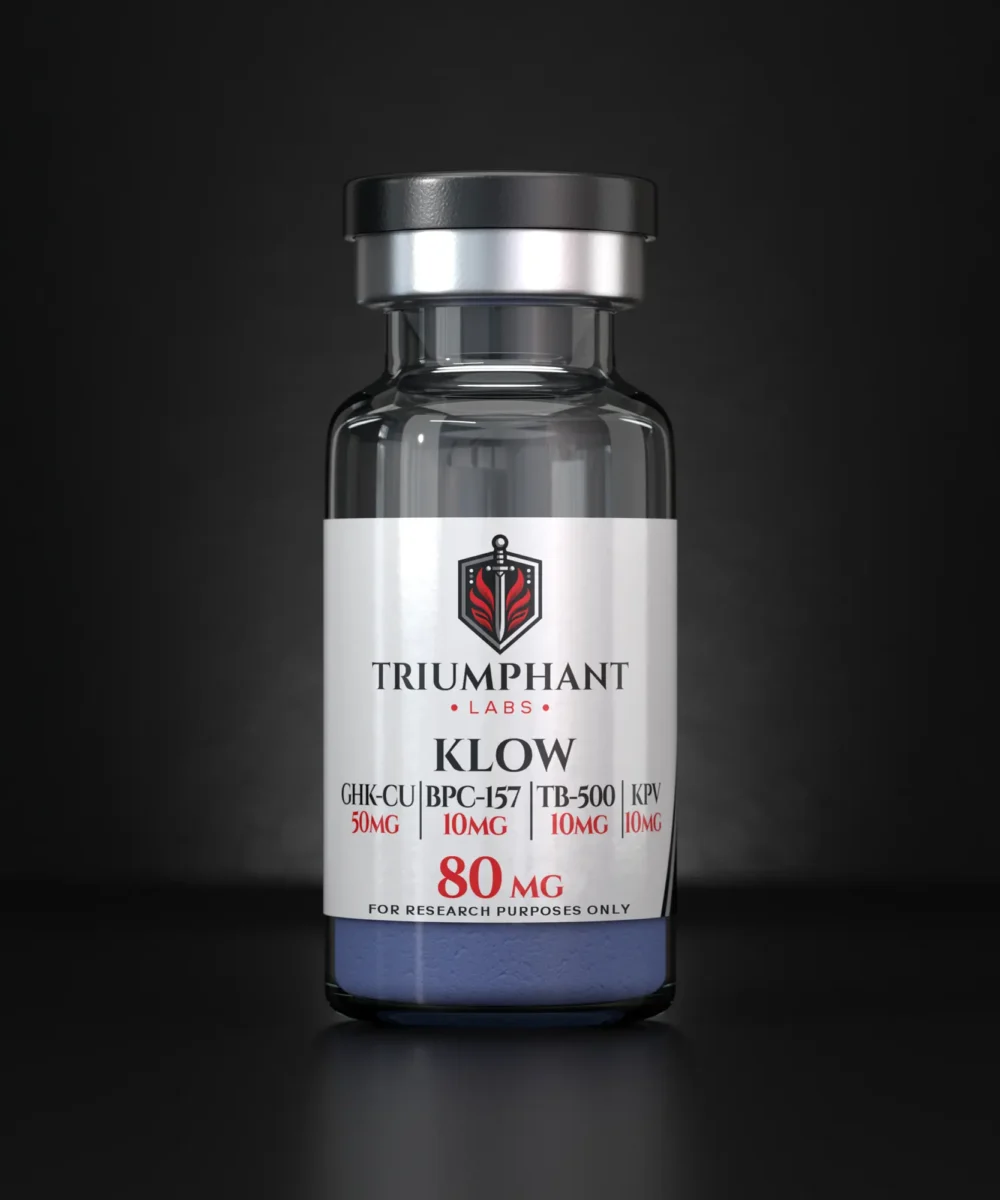
This GHK-Cu is produced to research-grade standards with verified tripeptide sequence integrity, confirmed copper complexation, rigorous purity assessment, and consistent potency per vial. The quality of copper peptide formulations is particularly dependent on the accuracy of the chelation process, and every stage of synthesis and testing is conducted with the precision required to deliver a reliable and well-characterized research compound.
GHK-Cu remains one of the most scientifically rich and broadly relevant peptides available for research today. For scientists and advanced wellness professionals exploring skin biology, tissue regeneration, antioxidant mechanisms, and the molecular landscape of biological aging, this formulation provides a premium and dependable foundation for serious and meaningful scientific investigation.
Be the first to review “GHK-CU”
Related products
Reviews
There are no reviews yet.